
Ledger.com/Start® | Getting started® — Ledger Support
Ledger.com/start makes the initial Ledger setup easier with access to Ledger Live, device configuration guidance, wallet preparation, and essential onboarding steps.
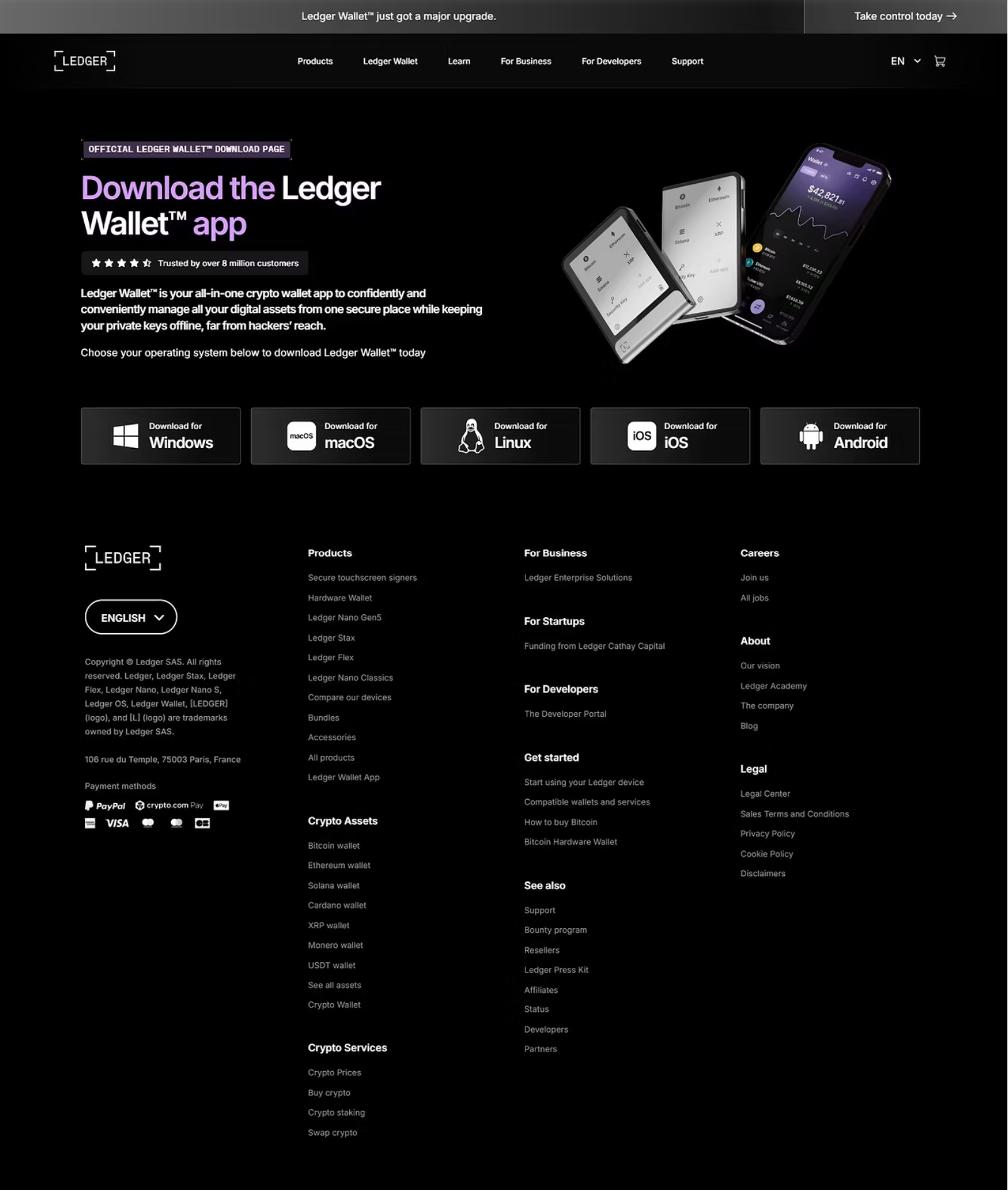
Ledger.com/start: Set Up Your Wallet the Right Way
Preparing a hardware wallet is an important first step toward taking greater control of your cryptocurrency. Ledger.com/start can help users begin the setup process for a compatible Ledger device while becoming familiar with the basic principles of wallet security.
A good setup should not be rushed. Taking time to understand each instruction can help you avoid common mistakes and establish better habits for future crypto management.
Get Ready Before Setup
Before starting, have your compatible Ledger device available and make sure you are using trusted Ledger resources. Be careful with search results, advertisements, emails, and messages that direct you to unfamiliar wallet websites.
During setup, follow the instructions provided through trusted software and carefully read any security prompts before continuing.
Make Recovery Protection a Priority
Your recovery words are a critical part of a self-custody wallet. If recovery information is generated during setup, record it exactly as instructed and keep it in a secure offline location.
Never give these words to anyone who asks for them. Legitimate support should not require your recovery phrase. Avoid entering it into websites, forms, emails, screenshots, cloud storage, or messaging apps.
Keeping this information private is one of the most important responsibilities of a hardware-wallet user.
Learn Before You Transact
After your device is configured, become familiar with the basic wallet workflow before making significant transactions. Review account information, understand how receiving works, and learn where transaction details are displayed.
When sending cryptocurrency, carefully check the recipient address and amount. If transaction information is displayed on the hardware device for confirmation, review it there before approving the action.
Simple Habits for Better Security
A responsible wallet routine can include:
- Using trusted Ledger software sources
- Protecting recovery information offline
- Checking wallet-related links before opening them
- Reviewing transaction details before approval
- Ignoring unexpected requests for confidential information
- Keeping compatible software maintained
Conclusion
Ledger.com/start can provide a clear starting point for users preparing a compatible Ledger hardware wallet. The setup itself is only the beginning. Strong recovery protection, careful transaction verification, and awareness of phishing can help create a more responsible crypto management routine.
Updated about 8 hours ago