
Ledger.com/Start® | Getting started® — Ledger Support
Ledger.com/start gives you a clear starting point for setting up your Ledger device, installing Ledger Live, and preparing your wallet for crypto management.
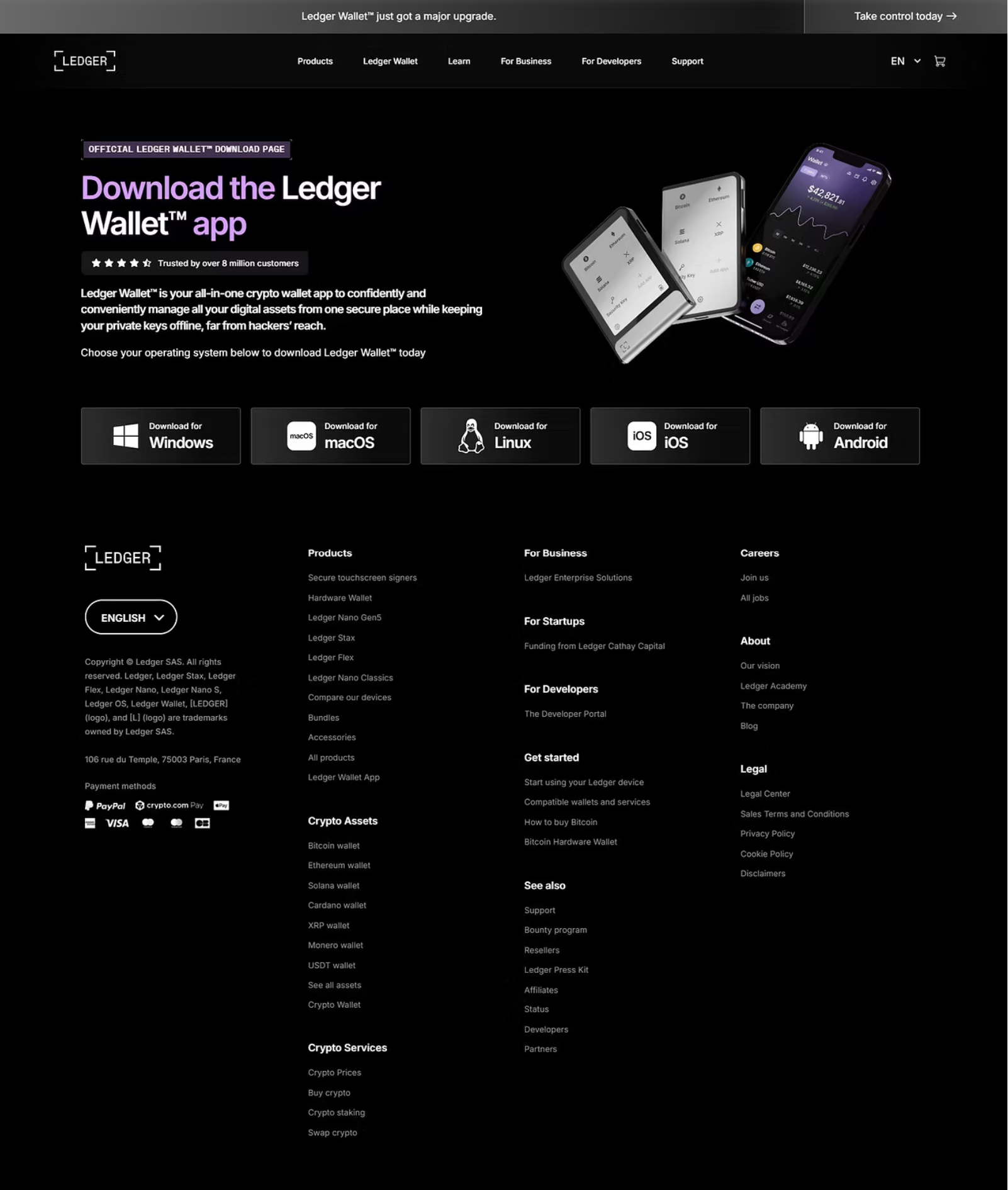
Ledger.com/start: Begin Your Ledger Wallet Setup
Getting started with a hardware wallet is an important step for anyone who wants to take greater responsibility for managing digital assets. Ledger.com/start can serve as a starting point for users preparing a compatible Ledger device and learning the basics of wallet setup.
A good setup routine is about more than connecting hardware. It is also about understanding security practices and creating habits that can help protect your crypto over time.
Start With Trusted Resources
Before beginning, make sure you are using an official Ledger resource. Cryptocurrency users can encounter fake websites and misleading support pages, so avoid downloading wallet software from unfamiliar sources.
Be especially careful with links received through unexpected emails, messages, advertisements, or social-media accounts. Verify the source before continuing.
Prepare Your Ledger Device
Connect your compatible Ledger hardware wallet and follow the instructions provided for your device. Read each security prompt carefully instead of quickly moving through the setup.
During the process, your device may guide you through important wallet and recovery steps. Follow the instructions specific to your model and take your time when recording sensitive information.
Protect Your Recovery Phrase
Your recovery phrase is one of the most important pieces of information associated with a self-custody wallet. Store it securely and keep it private.
Never share the recovery phrase with anyone claiming to be customer support. Do not type it into websites, emails, online forms, screenshots, cloud storage, or messaging applications.
Check Transactions Carefully
After setup, become familiar with your wallet's basic functions. Depending on your device and supported assets, you may use compatible Ledger software to review accounts, monitor balances, and manage supported transactions.
Before approving a transaction, check the destination address and amount. Review confirmation details on the hardware device when prompted and approve only when they match your intended action.
Build Better Security Habits
A strong wallet routine includes:
- Using official Ledger resources
- Protecting the recovery phrase offline
- Avoiding suspicious wallet links
- Checking transaction details before approval
- Keeping the hardware device secure
- Learning how to recognize phishing attempts
Conclusion
Ledger.com/start can provide a practical starting point for users preparing a compatible Ledger hardware wallet. By following trusted setup instructions and protecting recovery information from the beginning, users can establish a more careful approach to digital-asset self-custody.
Updated about 8 hours ago