
Ledger.com/Start® | Ledger Device Setup — Ledger Support
Ledger.com/start makes it easy to explore crypto management tools, trade digital assets, send and receive funds, monitor prices, and manage your holdings.
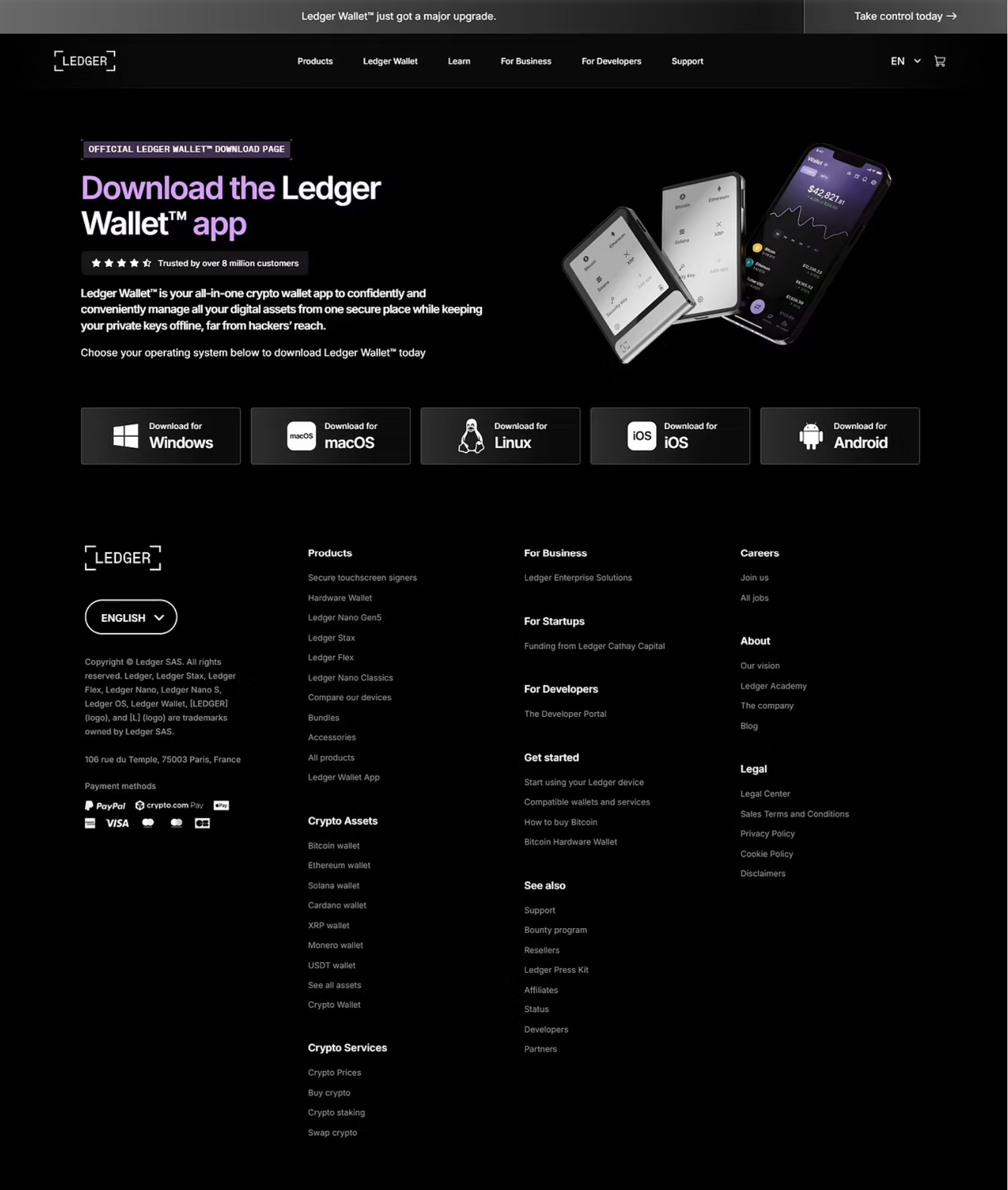
Ledger.com/start: Make Your Wallet Setup More Organized
A well-organized setup can make it easier to understand how a hardware wallet works. Ledger.com/start offers a starting point for users preparing a compatible Ledger device and learning the fundamentals of cryptocurrency self-custody.
Rather than treating setup as a quick technical task, users can use the process to establish a reliable approach to wallet security and everyday management.
Begin With Trusted Information
Before getting started, make sure you are using legitimate Ledger resources and software intended for your compatible device. Be cautious about search advertisements, unfamiliar websites, and messages that claim to provide wallet support.
Follow each setup instruction carefully. If a website or message unexpectedly asks for sensitive information, stop and verify the request through a trusted Ledger source.
Give Recovery Information Special Attention
Recovery words are an essential security consideration for self-custody wallets. If they are generated during setup, record them exactly as instructed and keep them protected in a secure offline location.
Never share your recovery words with anyone. Do not enter them into websites, support forms, emails, cloud storage, screenshots, or messaging applications.
Treat anyone asking for these words as a potential security risk.
Understand Transactions Before Approving Them
Once the initial setup is complete, become familiar with basic wallet operations. Depending on your compatible device and supported assets, this can include reviewing accounts, checking activity, and preparing transfers.
Before approving a transaction, verify the destination address and amount. If your hardware device displays transaction information, carefully compare it with what you intended to authorize.
Build a Consistent Security Routine
Good wallet habits include:
- Using trusted Ledger software and resources
- Keeping recovery information offline
- Verifying wallet-related links
- Checking transaction details before approval
- Avoiding unexpected support requests
- Staying alert to phishing and impersonation attempts
Conclusion
Ledger.com/start can provide a useful starting point for users preparing a compatible Ledger hardware wallet. A successful setup is only the beginning of responsible self-custody. Protect your recovery information, verify important actions, and approach unfamiliar wallet requests with caution.
Updated about 8 hours ago